Hello all! Here’s another interesting article, this time about AI and its assistance in depression treatment. Hope you enjoy!
Mental health disorders, notably anxiety and depression, impact tens of millions of people all over the world. They are incredibly common. And while many individuals benefit from the traditional therapies and medications that have been around for a long time, we now also have new technologies that present more treatment options. One of those new technologies is the AI voice coach. In this article, we explore how AI voice coaches—virtual therapists, in a sense—are used in place of or alongside traditional therapies as the next big thing in increasing the accessibility of mental health treatment and, with that, the number of people who are receiving it.
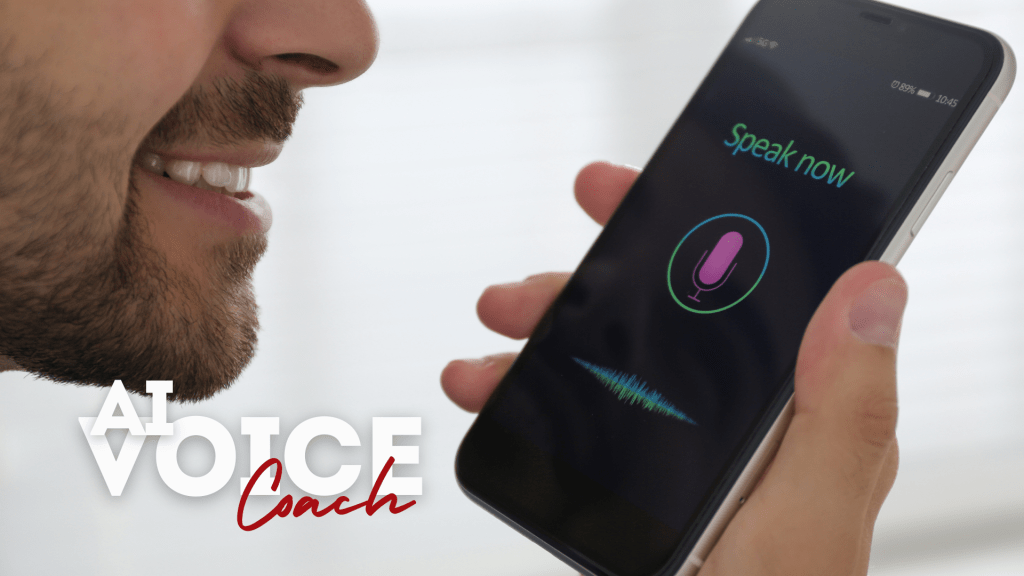
Advanced natural language processing algorithms and machine learning power AI voice coaches to offer something that most therapy apps cannot—real-time, engaged conversation. Voice patterns, tone, and language are the essential components of communication, and an AI coach can now read these as well as—or, in some cases, better than—humans can. By utilizing these analytical skills, an AI coach can pick up on signs of distress, anxiety, or even depression that a user might not openly express but that are nonetheless present. The virtual companion that an AI voice coach represents can thus afford a user something that might be hard to access in these times of social distancing: a non-judgmental, always-there conversational partner who listens, really listens, and offers a kind of support that many might otherwise seek from a human therapist.
The potential of AI voice coaches to make mental health services more accessible is a true advantage. People with depression and anxiety often can’t get the help they need, and not just because of the cost. There’s also the embarrassment factor and plain old limited access to psychologists and psychiatrists. AI coaches can’t yet give you the kind of personalized therapy a professional can, but they can help you work through a situation. You can talk to the coach at any time and, what’s more, you can do it on your own terms, without judgment, in any place you feel comfortable. The more we amplify the services AI can provide, the more we help individuals who suffer from a mental illness.
Users’ mental health canbe continuously monitored by artificial intelligence voice coaches. These mental health monitors can be used to analyze voice and other data inputs the user provides to track and detect their mood, stress, and anxiety patterns over time. This kind of ongoing surveillance allows the AI life coach to know the user well enough to give them timely, personalized interventions that might also serve to catch any potential “relapses” on the user’s part before they have a chance to happen.
Therapeutic AI voice coaches can complement existing interventions by giving continuous support and reassurance between therapy sessions. They remind their users to complete self-care activities, like meditative exercises or guided visualizations. They help us develop and sustain optimal routines that keep us on a healthy path. AI coaches exist in the computational cloud and can, therefore, be available anywhere and at any time, as long as the user is not out of cell service or Wi-Fi range. This real-time accessibility and interactivity can be a primary benefit for individuals who are trying to recover from mental illness or maintain a fragile mental health state. AI voice coaches might also be integrated into pre-existing models of therapy to both improve and extend the reach of such methods.
Although AI voice coaches are promising, many ethical issues and technological limitations must be addressed. Since the very nature of these programs could lead to pervasive surveillance, it’s vital that using them be as private and secure as possible. That will require a trustworthy process for handling sensitive voice data, which is still in the infancy of being developed. Pervasive AI should complement existing resources rather than be a creepy replacement for them. Whether with secure devices or simply in the presence of trustworthy humans, the act of speaking should not be fraught with surveillance concerns.
The artificial intelligence voice coach is a relatively new innovation in the mental health treatment landscape. It offers a wealth of capabilities for revolutionizing the care of patients with depression and anxiety. The voice coach most closely mimics human interaction, which is a key ingredient in engaging patients with virtual therapies. The act of conversing is not just about exchanging words; it’s also about tone, rhythm, and other subtleties that the voice coach can manage without faltering. Still, the voice coach is not infallible, and AI has its limitations. “Overall, these virtual patients serve as a kind of up-leveled conversation partner that can be for anyone with a mental health disorder.” While I feel we have ways to go until this form of AI is welcomed and encouraged by all, this is a promising start.
 cognitivecents.com
Leave a comment